Source Trailer Hydraulic Power Unit for Trailers, Trucks, and Forklifts
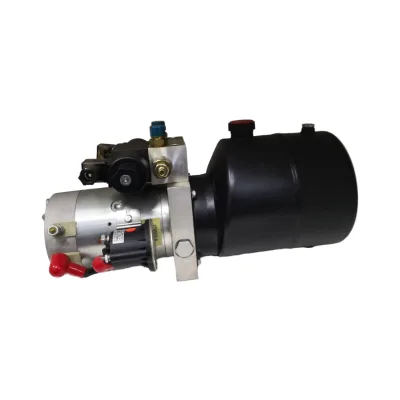
Find 30 verified options for the trailer hydraulic power unit designed for trailers, dump trucks, and forklifts. Buyers can compare specifications like voltage, material, and pressure ratings to select the right unit for their industrial needs; compare the available evidence and request quotations based on your requirements.
Key considerations
Products List




Comprehensive Sourcing Guide
Trailer Hydraulic Power Unit Sourcing Guide
Selecting the right hydraulic power unit for trailer applications requires a clear understanding of the specific mechanical and electrical demands of your fleet. These units serve as the central nervous system for hydraulic functions, converting electrical energy into hydraulic pressure to operate lifts, tilts, or stabilizers. Buyers must first define whether their operation demands a single-acting or double-acting system, as this choice fundamentally alters the complexity and cost of the power pack. The decision also hinges on the duty cycle; continuous heavy-duty use requires robust cooling and higher displacement pumps, whereas intermittent use may allow for more compact, cost-effective solutions.
Beyond basic functionality, the integration environment plays a critical role in selection. Most modern trailer units are designed for horizontal installation to save space and protect components from road debris, though vertical options exist for specialized chassis configurations. The voltage requirement is another primary filter, with 12V, 24V, and 48V systems being common depending on the vehicle’s electrical architecture. Buyers should verify that the unit’s mounting style, such as trunnion or flange, aligns with their existing frame or custom bracketry to avoid expensive fabrication delays during the assembly phase.
Product Scope and Observed Listing Signals
The current market for trailer hydraulic power units displays a wide variance in specifications, reflecting the diverse needs of different trailer types. Listings frequently highlight units compatible with tipper trailers, dump trucks, and general vehicle applications, indicating a broad utility across the heavy transport sector. Observed product models range from generic "Hydraulic Power Unit" designations to specific identifiers like "Trailer 24V DC Hydraulic Power Unit" or "Multi-stage cylinder power unit for small trailer." This variety suggests that buyers will encounter both standardized off-the-shelf components and customized solutions tailored to unique payload or spatial constraints.
Material composition and construction quality are key differentiators visible in product descriptions. Carbon steel and alloy steel are commonly cited materials for the main body and tank, providing the necessary durability to withstand harsh operating conditions. Tank materials may vary between steel and plastic, influencing both weight and corrosion resistance. Additionally, surface treatments such as hard chrome, zinc, or copper plating are often mentioned for critical components like piston rods, signaling an emphasis on longevity and resistance to wear. Buyers should scrutinize these material claims to ensure they match the environmental conditions of their specific operational geography.
Technical Specifications to Verify
Voltage compatibility is the most critical technical parameter to verify before placing an order. The supply chain shows units operating at 12V, 24V, 48V, and even 220V, meaning a mismatch with the trailer’s electrical system can render the unit useless. Power ratings typically range from 1.5kw to 2.2kw and above, directly correlating with the hydraulic flow and pressure capabilities. Buyers must cross-reference these power figures with the hydraulic cylinder requirements of their trailer to ensure sufficient force for lifting or tilting heavy loads without overheating the motor.
Pump displacement and working method are equally vital for performance matching. A pump displacement of 2.1cc/R is one observed specification, but this value must be evaluated against the desired speed of operation. The acting way, often single-acting for simple lift applications, dictates the internal valve configuration and return spring requirements. Furthermore, the physical dimensions, such as the observed standard of 340 mm * 210 mm * 260 mm or 232559cm, must fit within the designated mounting area. Buyers should request detailed dimensional drawings to confirm clearance for hoses, electrical connections, and maintenance access.
Compliance and Safety Documentation
Certification status is a primary indicator of manufacturing quality and regulatory compliance. Many suppliers list ISO certification, including ISO9001, which demonstrates a commitment to consistent quality management systems. The CE mark is also frequently observed, indicating adherence to European health, safety, and environmental protection standards. For buyers operating in regulated markets, verifying these certifications is not optional but a legal prerequisite. Documentation should be requested prior to payment to ensure that the specific batch of units produced meets the claimed standards, as certification does not automatically guarantee every unit’s conformity.
Safety features and operational safeguards should be explicitly documented in the product specifications. Units designed for trailer applications often include pressure relief valves to prevent system over-pressurization, which can lead to catastrophic hose failures or cylinder damage. The working method, such as straight trip or regulated type, implies specific control mechanisms that affect safety during operation. Buyers should inquire about the inclusion of seal kits and seamless tubes as core components, as these affect the integrity of the hydraulic circuit. Clear documentation of these safety mechanisms helps in risk assessment and insurance compliance for fleet operators.
Cost Drivers and Commercial Terms
The price range for trailer hydraulic power units is extensive, observed from $50 to $7980, reflecting significant differences in power, material, and customization levels. Lower-cost units typically feature basic steel construction and standard voltage options, while premium units may include alloy steel components, multi-stage pumping, or specialized voltage configurations. Buyers must align their budget with their performance requirements, avoiding the temptation to select the cheapest option if it lacks the necessary power or durability for their specific load. The cost is also influenced by the complexity of the packing, with options ranging from simple cartons to plywood cases or polystyrene inner packing, which affects shipping costs and damage risk.
Minimum Order Quantity (MOQ) and customization availability are key commercial factors. Observed MOQs range from 1 to 10 units, offering flexibility for both small repair shops and large fleet operators. Customization is frequently available, allowing buyers to tailor voltage, mounting style, or dimensions to their specific needs. However, customized orders may incur higher unit costs and longer lead times. Buyers should negotiate clear terms regarding OEM/ODM capabilities, ensuring that any custom specifications are documented in the contract. Payment terms and warranty periods, often listed as 1 year, should be clearly defined to protect against early failures.
Supplier Qualification and Quality Control
Supplier qualification begins with verifying their manufacturing capabilities and quality control processes. Buyers should request evidence of their production lines, specifically looking for facilities that handle surface treatments like hard chrome plating and zinc coating, which are critical for corrosion resistance. The presence of core components such as piston rods and seal kits in-house suggests a higher level of control over the final assembly quality. Suppliers who offer both standard and customized models demonstrate versatility and technical competence, which is essential for resolving any integration issues that may arise during installation.
Quality control checks should be integrated into the procurement process, particularly for bulk orders. Buyers should specify acceptance criteria based on observed standards, such as the 340 mm * 210 mm * 260 mm dimension or specific voltage tolerances. Inspection of the packing method, whether it is inner box polywood pallet or polystyrene packing, is also part of quality assurance, as improper packing can lead to transit damage. Requesting pre-shipment photos or videos of the assembled units can provide visual confirmation of build quality. Establishing a clear communication channel for addressing defects ensures that any non-conforming units are resolved promptly without disrupting operations.
Long-Term Procurement Checks
Long-term procurement success depends on the availability of spare parts and after-sales support. Buyers should verify that suppliers provide access to seal kits, piston rods, and other core components for maintenance and repair. The warranty period, typically one year, should be clearly understood in terms of coverage for parts and labor. Suppliers who offer ongoing technical support can assist with troubleshooting installation issues or performance problems, reducing downtime for the trailer fleet. Establishing a relationship with a reliable supplier ensures that future replacements or expansions can be handled efficiently.
Continuous monitoring of supplier performance is essential for maintaining supply chain stability. Buyers should track delivery times, product consistency, and responsiveness to queries over multiple orders. Feedback from field technicians regarding the ease of installation and durability of the units should be collected and shared with the supplier to drive continuous improvement. Regular reviews of the total cost of ownership, including energy consumption and maintenance frequency, will help in making informed decisions about future purchases. By maintaining a disciplined approach to supplier evaluation, buyers can secure a reliable source of high-quality hydraulic power units for their trailer operations.
FAQs
What voltage options are available for trailer hydraulic power units?
Trailer hydraulic power units typically operate at 12V, 24V, or 48V DC depending on the specific model configuration. Some units also support 220V AC for industrial applications. Buyers should verify the exact voltage requirement against their vehicle electrical system before purchasing to ensure compatibility and safe operation.
Which certifications do these hydraulic power units usually hold?
Most units come with ISO and CE certifications to ensure safety and quality standards. Some products specifically list ISO9001 compliance alongside CE marks. These certifications indicate that the manufacturing process meets international requirements for quality management and product safety in various industrial applications.
Can I request customization for the hydraulic power unit specifications?
Yes, customization is available for many trailer hydraulic power units to meet specific operational needs. Buyers can often request changes to voltage, mounting style, or packing methods. This flexibility allows manufacturers to tailor the product to fit unique trailer designs or specific industrial machinery requirements effectively.
What materials are used to construct the hydraulic power unit tank?
The tank material is commonly made from steel or plastic depending on the design and application. Steel tanks offer durability for heavy-duty use, while plastic options may be lighter. The choice of material impacts the overall weight and corrosion resistance of the unit in various operating environments.
How is the hydraulic power unit typically installed on a trailer?
Installation is generally performed in a horizontal position to ensure proper fluid flow and system stability. The mounting style often includes trunnion options for secure attachment. Proper installation is critical for maintaining the structural integrity and operational efficiency of the hydraulic system during transport.
What is the standard warranty period for these hydraulic power units?
The standard warranty period provided for these units is typically one year from the date of purchase. This coverage protects against manufacturing defects and ensures reliability for the buyer. Extended warranty options may be available depending on the specific supplier and the terms of the sales agreement.
Which industries commonly use trailer hydraulic power units for their operations?
These units are widely used in manufacturing plants, machinery repair shops, and the food industry. They are also essential for vehicles like forklifts, tipper trailers, and dump trucks. The versatility of the power unit makes it suitable for various heavy-duty applications requiring reliable hydraulic power.